


How Agencies Diagnose Failed SEO Traffic (And Repair It Fast)
You’ve spent months building up your SEO strategy, but the traffic is coming in, and the conversions are still nowhere to be found. What’s the problem? The truth is, getting traffic to your website is only half the battle. The real challenge is SEO conversions, or turning that traffic into leads and sales. If you’ve been asking yourself, “Why isn’t my traffic converting?”—you’re not alone. A lot of businesses fail to connect the dots between SEO traffic and actual sales. Let’s dive into how agencies quickly diagnose why SEO traffic fails and what they do to fix it.
Identifying Conversion Bottlenecks

When agencies tackle failed SEO traffic, the first thing they do is look for conversion bottlenecks. This is where things get interesting. You can have a top-ranking page with thousands of visitors, but if your site isn’t set up to convert them, it’s like having a VIP store with a broken door. One common issue is poor landing page design. If your pages are too cluttered, the call-to-action (CTA) isn’t clear, or the content doesn’t align with user intent, visitors will leave before completing an action. Agencies will take a hard look at these areas and optimize them. The goal here is to create a seamless user experience where visitors know exactly what to do next.
Improving Site Speed and Mobile Experience
Site speed and mobile optimization are critical for keeping visitors engaged. It doesn’t matter how high your SEO rankings are if your website is slow or doesn’t work well on mobile. Agencies know that speed is one of the first things users notice, and slow load times can cause high bounce rates. In fact, studies show that a 1-second delay in page load time can lead to a 7% decrease in conversions. Mobile optimization is just as important. With more people browsing on smartphones, if your site isn’t mobile-friendly, you’re missing out on a massive portion of potential customers. Agencies will ensure that your site loads quickly on both desktop and mobile, improving the user experience and boosting conversion rates. Fast, responsive websites make it easier for visitors to take the next step, whether it’s making a purchase or signing up for an offer.
Analyzing User Intent

One major reason SEO traffic fails to convert is that the content doesn’t match user intent. Agencies understand that not all traffic is equal. Just because you’re ranking for a high-volume keyword doesn’t mean it’s the right audience for your business. For example, someone searching for “best budget smartphones” might not be ready to buy yet. They’re just in the research phase. If your landing page doesn’t address their needs at this stage, they’ll bounce. Agencies specialize in aligning content with the intent behind search queries. For instance, if your audience is looking for information, it’s better to offer guides, blog posts, or comparison charts rather than a direct sales pitch.
Tracking and A/B Testing for Better Results
Agencies don’t stop at just fixing surface-level issues. They implement ongoing …



 Title tags are the first impression your page makes in search results. They should be concise yet descriptive, ideally under 60 characters. A well-crafted title tag includes relevant keywords that signal to both users and search engines what your content is about. Header tags, on the other hand, help structure your content. The H1 tag usually serves as the main headline of a page, making it crucial for SEO and user engagement.
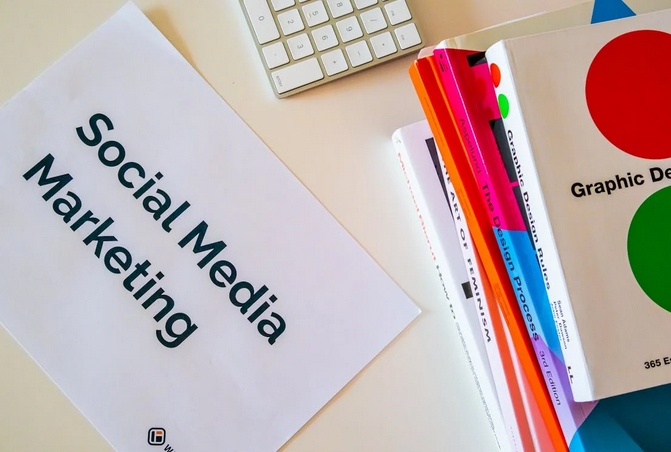










 Content marketing is a powerful way to educate, entertain, and inspire your audience while showcasing your expertise in the industry. Create informative and engaging blog posts, videos, and guides that address your target customer’s pain points and offer valuable solutions.

 Moving on, we’ve got keyword ideas. This feature helps you identify the words and phrases your target readers are searching for. Then, you can leverage this data to get your website content optimized. It also means you need a keyword research tool. These tools basically allow you to enter a word or phrase about your business or industry and generate a list of relevant keywords.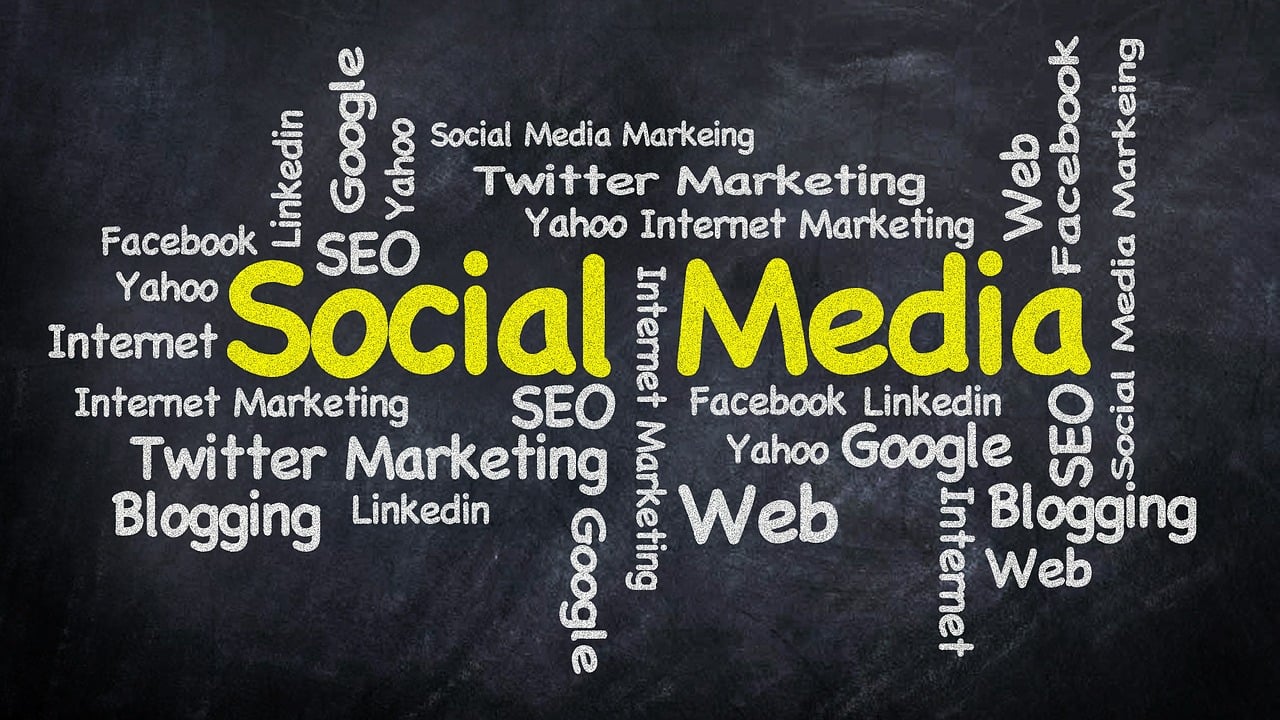
 Before diving into social media optimization, defining your goals is essential. Determine what you want to achieve through your social media presence. Are you looking to increase brand awareness, drive website traffic, generate leads, or engage with your audience? Having clear objectives will guide your optimization efforts and help you measure your success along the way. For example, if you aim to gain more TikTok followers, you would prioritize content creation for that platform and use targeted hashtags to increase visibility; you can also
 To continuously improve your social media efforts, analyze your performance, and make data-driven optimizations. Use the analytics tools each social media platform provides to track metrics such as reach, engagement, click-through rates, and conversions. Identify which types of content perform best and adjust your strategy accordingly. Pay attention to peak engagement times and optimize your posting schedule to reach maximum users.
 To effectively engage with your audience on social media, you must first identify who they are. Conduct thorough market research to gain insights into your target demographic’s preferences, interests, and behaviors. This information will enable you to tailor your content, tone, and messaging to resonate with your audience, leading to higher engagement and conversions. The good news is that you can buy online followers on apps like TikTok, Instagram, and Twitter to increase your visibility. So


 Increased visibility is a crucial aspect of any successful online marketing strategy. When you combine SEO and targeted advertising, you can significantly increase the chances of your business being seen by potential customers. Optimizing your website for search engines using SEO techniques such as keyword research and on-page optimization can help improve its ranking in search engine results pages (SERPs). This means that when people search for relevant keywords related to your business, they are more likely to come across your site.

 Real followers are more likely to be engaged customers who will purchase your products or services. They will be more inclined to follow through on purchasing decisions as they have an established connection with your brand. You can use their interactions to indicate which products and services may be most popular amongst your target audience. This can help you tailor your offerings to serve your customers better, leading to increased revenue for your business.

 There are three main types of SEO: on-page SEO, off-page SEO, and technical SEO. On-page SEO refers to optimizing your website pages’ content and HTML source code. This includes optimizing your website’s meta tags, headings, content, images, and more. Off-page SEO refers to optimizing external factors affecting your website’s search engine ranking. This includes backlinks, social media activity, and other external factors affecting your website’s authority and relevance.

 YouTube is a video-sharing platform that is popular with younger audiences. With over 2 billion monthly active users, it offers a range of

 Nowadays, more people are accessing content through their mobile devices than ever before. This means optimizing your content so it looks great on any device is more than important. Make sure images and videos are optimized for mobile and that your website is responsive. This will help you reach more people, build a larger audience and improve brand recognition. Mobile optimization will also help you increase your search engine rankings, leading to more organic traffic and better engagement.
 You don’t have to read the
  Adding multimedia elements such as videos, audio clips, animated GIFs, and images can dramatically increase engagement with your content. This is especially true when there is a lot of text; readers may be more likely to watch a video or skim an infographic rather than read through long paragraphs. Multimedia elements …
 The first element in successful SEO localization is
  Another element of SEO localization is a reliable translation management system. This will help you keep track of changes in content and ensure that all translations are accurate and up-to-date. Using a TMS can also provide insights into which languages are performing well and which ones need improvement. While it’s possible to translate content manually, a TMS can save time and money in the long run.
 Many websites neglect to localize their user interface and user experience for each target market. The key elements in successful localization here are the use of visuals, colors, font sizes and images relevant to the local culture. This helps create a more authentic experience that resonates with the users. Aside from that, optimizing your website’s page titles, URLs, call-to-action buttons, and other content elements can help improve the user experience of your website.
 Content is still the king, even if you’re not on the blog. This means that if you want your
  Hashtags are an excellent way to reach a new audience and get your tweets visited by more people. Once you’ve used it properly, hashtags can increase your tweets’ visibility and attract new followers. However, keep in mind not to overdo it with hashtags, as this can make your tweets appear spammy. A good rule of thumb is to use one or two hashtags per tweet. It would help if you also tried to use relevant hashtags that are popular among your target audience.