
The Fundamentals of SEO
In the age of digitalization, it has become crucial for businesses to establish their online presence to expand their customer base and grow their revenue. One of the most effective ways to achieve this is through Search Engine Optimization (SEO).
Websites like https://www.opsmatters.com/posts/find-out-useful-information-about-search-engine-positioning will point out various things about SEO for better results. However, the information will only be useful if you know the fundamentals.
What Is SEO?
SEO stands for Search Engine Optimization. It is optimizing your website to rank higher in search engine results pages (SERPs) for specific keywords or phrases. When people search for something on Google, they usually click on the first few results that appear on the first page. SEO aims to get your website on that first page so potential customers can easily find you.
Why Is SEO Important For Businesses?

SEO is vital for businesses because it helps them to attract more organic traffic to their website. Organic traffic is the traffic that comes to your website through search engines rather than through paid advertisements.
The more organic traffic you get, the more potential customers you have. In addition, SEO can help you establish your brand as an authority in your industry, increasing customer trust and loyalty.
How Does SEO work?
SEO works by optimizing your website for specific keywords or phrases that people are searching for on search engines. Several elements of your website can be optimized for SEO, including your website content, meta tags, URL structure, images, and more.
Optimizing these elements can increase your website’s relevance and authority for specific keywords, which can help you rank higher in search engine results pages.
What Are the Different Types of SEO?
 There are three main types of SEO: on-page SEO, off-page SEO, and technical SEO. On-page SEO refers to optimizing your website pages’ content and HTML source code. This includes optimizing your website’s meta tags, headings, content, images, and more. Off-page SEO refers to optimizing external factors affecting your website’s search engine ranking. This includes backlinks, social media activity, and other external factors affecting your website’s authority and relevance.
Technical SEO refers to optimizing your website’s technical elements, such as website speed, mobile-friendliness, website architecture, and more. Technical SEO is vital because it can affect how easily search engines can crawl and index your website.
SEO is essential for businesses that want to establish their online presence and attract more organic traffic to their website. Optimizing your website for specific keywords or phrases can increase your website’s relevance and authority, which can help you rank higher in search engine results pages.…

 The first element in successful SEO localization is
  Another element of SEO localization is a reliable translation management system. This will help you keep track of changes in content and ensure that all translations are accurate and up-to-date. Using a TMS can also provide insights into which languages are performing well and which ones need improvement. While it’s possible to translate content manually, a TMS can save time and money in the long run.
 Many websites neglect to localize their user interface and user experience for each target market. The key elements in successful localization here are the use of visuals, colors, font sizes and images relevant to the local culture. This helps create a more authentic experience that resonates with the users. Aside from that, optimizing your website’s page titles, URLs, call-to-action buttons, and other content elements can help improve the user experience of your website.
 Content is still the king, even if you’re not on the blog. This means that if you want your
  Hashtags are an excellent way to reach a new audience and get your tweets visited by more people. Once you’ve used it properly, hashtags can increase your tweets’ visibility and attract new followers. However, keep in mind not to overdo it with hashtags, as this can make your tweets appear spammy. A good rule of thumb is to use one or two hashtags per tweet. It would help if you also tried to use relevant hashtags that are popular among your target audience.
 Hiring a marketing agency might seem like a lot of money upfront, but it will save you money in the long run. This is because marketing agencies know how to get the most out of your budget and can help you avoid costly mistakes. In other words, their services will pay for themselves in the end. Think of them as an investment.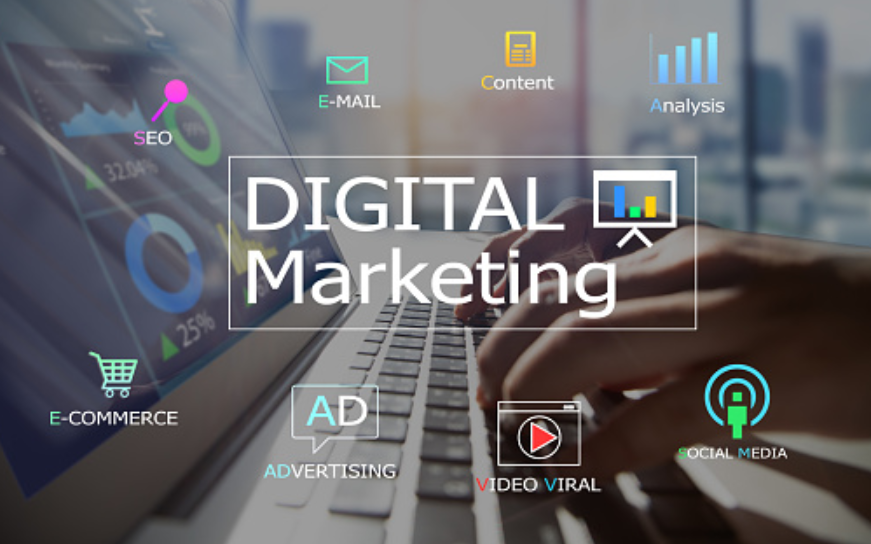

 Today, virtually every website is created to be easily viewed from a cell phone. It is because almost all customers use smartphones to search for products on the internet. To avoid falling into this scenario, you need to learn digital marketing before incorporating it into your business. You can do this by seeking the help of an e-marketing consultant or by taking an online digital marketing course. Therefore, you can increase the number of audiences for your business.



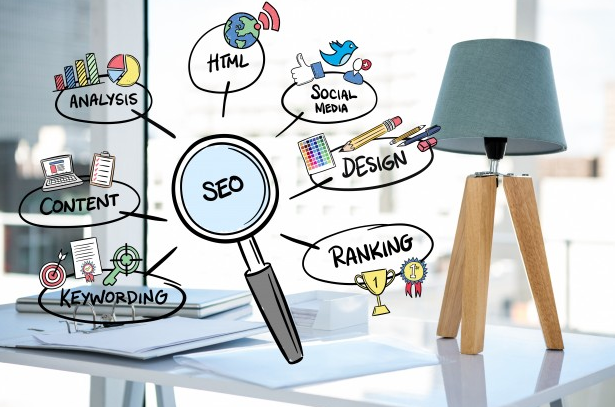

 Because SEO is not limited to a single search engine, you can market your business. It is linked to Google but can work on YouTube and Amazon Facebook, among other search engines – because they have content like Google or even Bing.